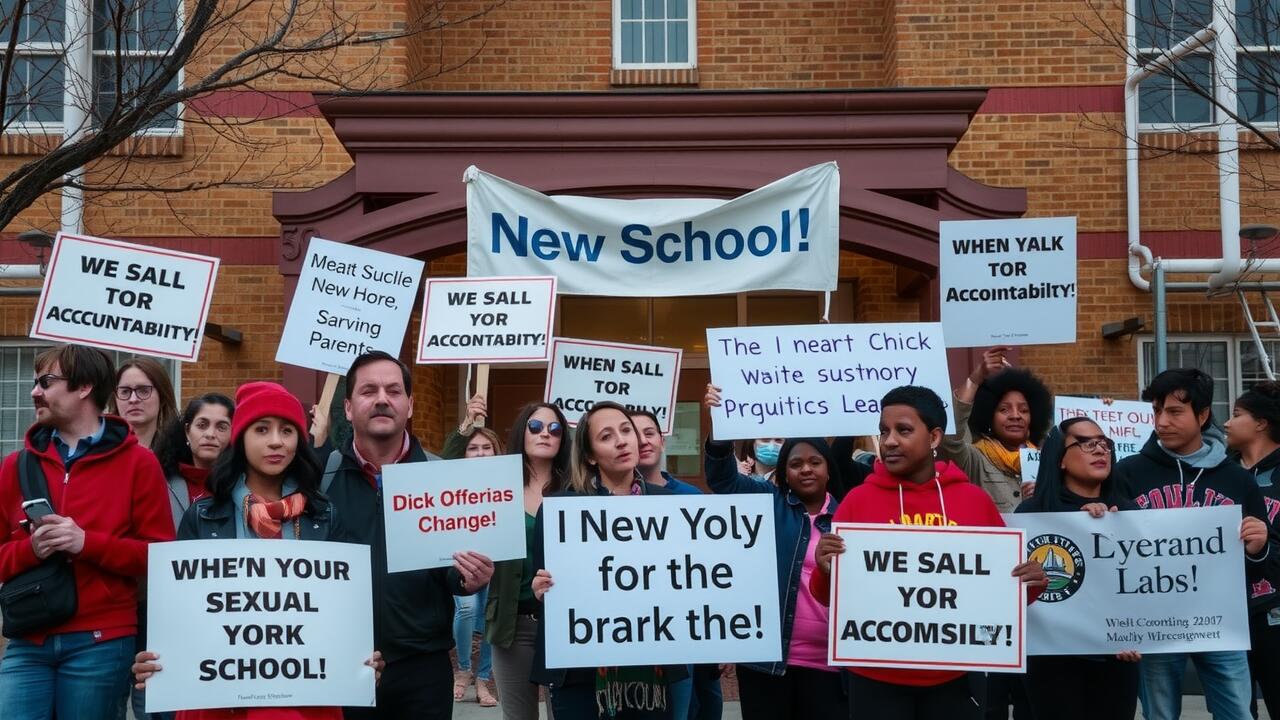
Support Resources for Victims
Victims of sexual abuse in schools and leagues can access a variety of support resources designed to assist them through their healing journey. Many organizations offer confidential hotlines, counseling services, and advocacy programs that provide emotional and psychological support. These resources aim to empower individuals, helping them process their experiences and navigate the complexities of reporting incidents. Educational institutions often collaborate with community organizations to create safe spaces where victims can seek help without fear of judgment.
In addition to counseling services, support groups play a crucial role in connecting victims with peers who have similar experiences. Sharing stories and coping strategies fosters a sense of solidarity and reduces feelings of isolation. Many schools implement awareness programs to ensure that students and staff know about available resources. By promoting open dialogue about sexual abuse, these initiatives encourage a proactive response to supporting victims while cultivating a safer environment for all.
Counseling and Advocacy Services Available
Victims of sexual abuse can access a range of counseling and advocacy services tailored to their needs. These services are designed to provide emotional support and guidance through the reporting process. Trained professionals work with individuals to help them process their experiences. They also offer assistance in navigating legal and educational systems, ensuring victims have the resources they require for healing and empowerment.
In addition to counseling, advocacy services play a crucial role in representing victims' interests. These advocates assist in communication with authorities, schools, and healthcare providers, facilitating a smoother experience for those seeking help. Many organizations also offer workshops and support groups that create a safe space for survivors to share their stories. These services are vital in fostering a community of understanding and resilience.
Consequences for Failure to Report
Failure to report suspected sexual abuse can lead to significant legal and professional consequences. In New York, state law mandates that specific individuals, particularly educators and school personnel, are required to report any suspicions of abuse. Non-compliance with these reporting obligations can result in civil liability and professional sanctions, including the potential loss of one's job or professional license.
In addition to immediate penalties, a culture of silence surrounding abuse can exacerbate the trauma experienced by victims. When reports are not made, it allows abusers to continue their harmful behavior unchecked. This can lead to further incidents of abuse, creating an environment where students do not feel safe and supported, undermining the trust in educational institutions and extracurricular activities.
Legal and Professional Repercussions
Failure to report incidents of sexual abuse in educational settings can lead to severe ramifications for individuals who are mandated reporters. New York law requires certain professionals, such as teachers and coaches, to report any suspicions of abuse to the appropriate authorities. Failing to do so may result in legal consequences, including civil liability and criminal charges, depending on the circumstances of the case.
In addition to legal ramifications, professionals may face disciplinary actions from their respective organizations or licensing boards. These consequences can include suspension, revocation of licenses, or termination of employment. The potential for reputational damage is also significant, severely impacting career prospects and personal credibility within the community.
Importance of Education on Sexual Abuse
Education on sexual abuse is crucial for fostering awareness and understanding among both students and staff. Through comprehensive training programs, individuals can recognize the signs of abuse and learn appropriate responses. This proactive approach empowers communities to create safer environments for everyone involved. Knowledge about the complexities of consent, healthy relationships, and the effects of trauma plays a vital role in prevention efforts.
Implementing educational initiatives in schools and leagues serves not only to inform but also to cultivate a culture of trust and openness. When individuals feel equipped to discuss these sensitive topics, it eliminates stigma and encourages reporting. Accessible resources and support systems must accompany these educational efforts to further ensure that victims are heard and helped in their time of need.
Training Programs for Staff and Students
Educational institutions are increasingly recognizing the importance of comprehensive training programs aimed at both staff and students to address the issue of sexual abuse. These programs often focus on creating awareness around the signs of abuse, fostering open communication, and understanding the appropriate steps to take when concerns arise. By implementing such training, schools can establish a safer environment where individuals feel empowered to speak up and seek help.
Engaging students in interactive sessions encourages them to recognize inappropriate behavior and understand consent. Staff members receive specialized training to equip them with the tools necessary to identify and respond to incidents effectively. This dual approach not only helps in preventing abuse but also promotes a culture of trust and respect within educational settings.
FAQS
What steps should I take if I suspect sexual abuse in a New York school?
If you suspect sexual abuse, it's crucial to report your concerns to the appropriate authorities, such as the school administration, local law enforcement, or the New York State Child Abuse Hotline. Additionally, consider seeking support from counseling and advocacy services.
Are there specific resources available for victims of sexual abuse in New York schools?
Yes, there are various support resources available, including counseling services, advocacy organizations, and hotlines that specialize in assisting victims of sexual abuse. These resources can provide emotional support, legal advice, and guidance on the reporting process.
What are the consequences for school staff or officials who fail to report suspected sexual abuse?
Failure to report suspected sexual abuse can result in legal consequences, including fines or criminal charges against the individual. Additionally, there can be professional repercussions such as loss of licensure or employment.
How can education on sexual abuse help prevent incidents in schools?
Education on sexual abuse raises awareness among staff and students, helping them recognize warning signs and understand appropriate boundaries. It can empower individuals to speak up and report concerns, fostering a safer environment for everyone.
What types of training programs are available for school staff and students regarding sexual abuse?
Many schools offer training programs that cover topics such as recognizing signs of abuse, creating a safe environment, and understanding the reporting process. These programs may include workshops, seminars, and online training modules.