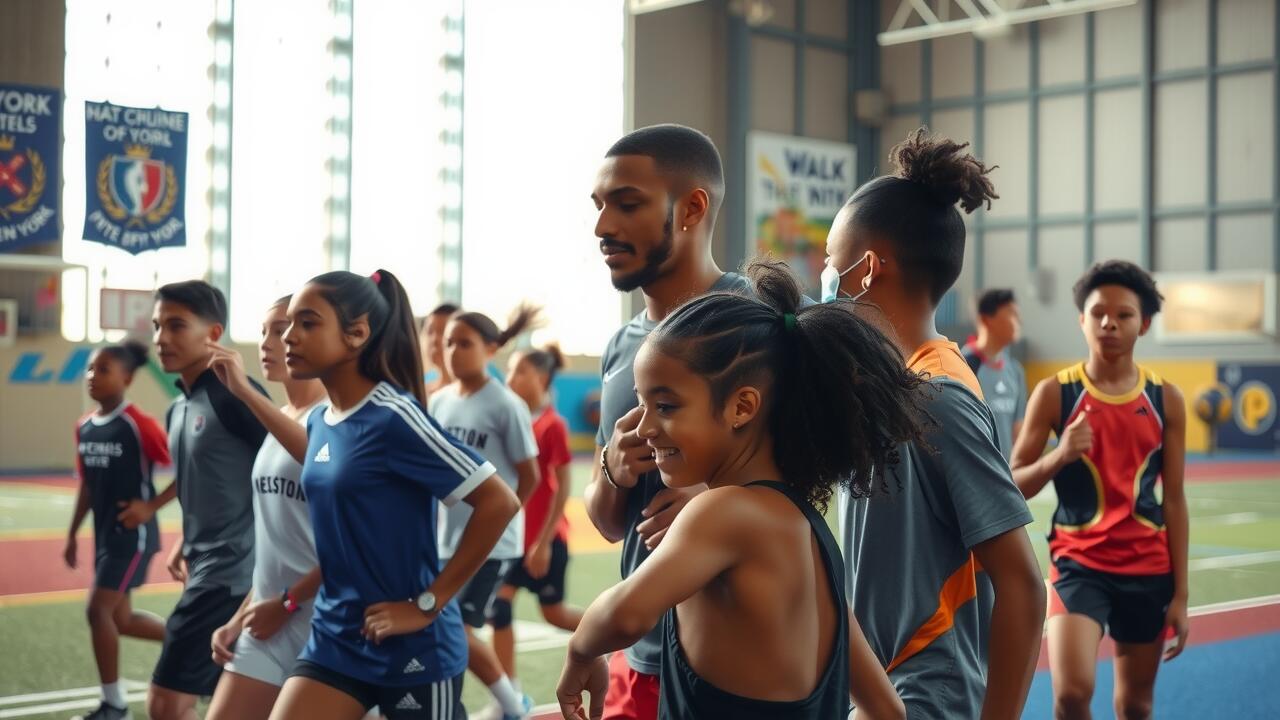
Legal Rights Of Young Athletes Abused In Sports Programs In NY | Understanding the Legal Framework for Young Athletes in New York
The legal rights of young athletes abused in sports programs in NY are framed by a robust legal framework aimed at protecting young victims from sexual abuse and ensuring their safety within youth sports. The Safe Sport Authorization Act of 2017 serves as a vital legislative measure that mandates strict policies against abuse in team sports, safeguarding athletes from various forms of maltreatment, including physical abuse and the sexual abuse of minors. Organizations such as the New York State Public High School Athletic Association and the National Alliance for Youth Sports play crucial roles in enforcing these regulations, providing guidelines for athletic training and creating environments that prioritize the well-being of young athletes. Understanding the legal rights of these athletes is essential for empowering them to take legal action in cases of abuse, ensuring a safer participation in sports. Learn more: https://survivorsofabuseny.com/youth-sports-sexual-abuse-lawyer-ny/
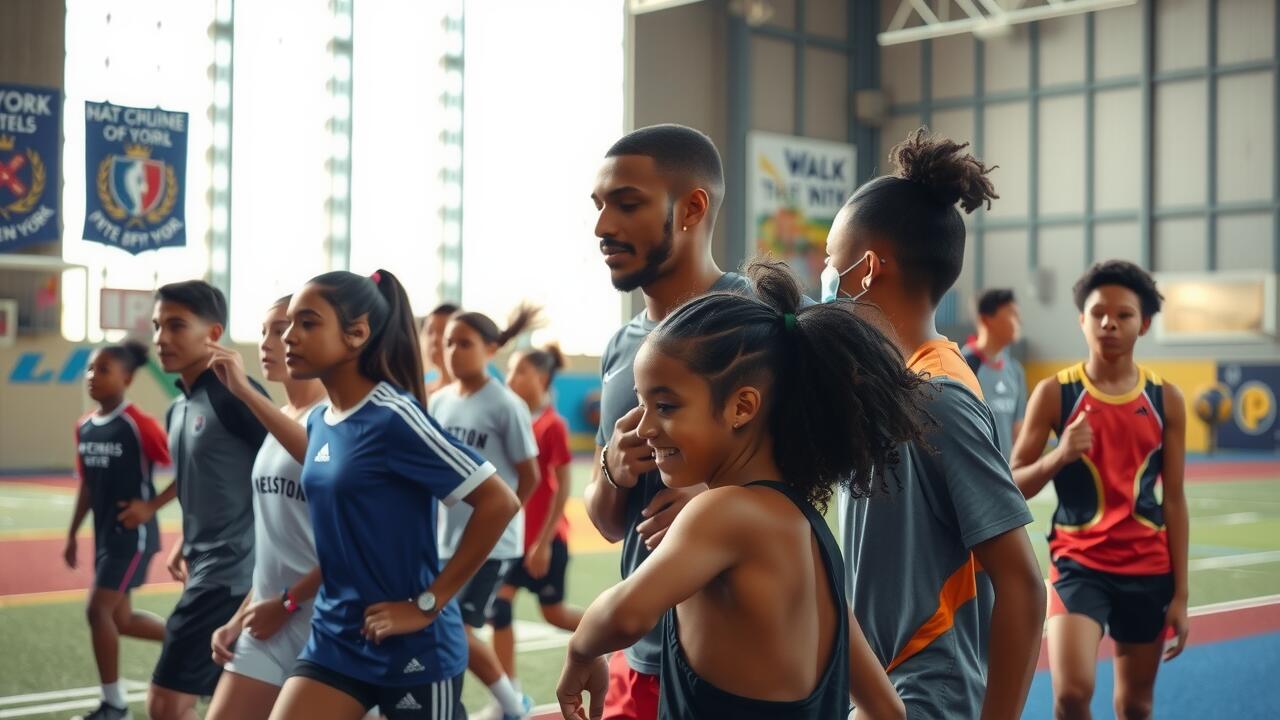
Legal Rights of Young Athletes Abused in Sports Programs in NY | Overview of Relevant Laws and Regulations
Legal Rights of Young Athletes Abused in Sports Programs in NY encompass a framework of protections designed to address various types of abuse, including physical violence and sexual abuse. The tragic cases highlighted by the USA Gymnastics sexual abuse scandal have underscored the pressing need for stringent regulations. Victims' rights are central to these laws, ensuring that young athletes are not only protected from harm but also have avenues for seeking justice. The existing civil rights law provides a foundation for holding accountable those responsible for abuse in sports settings, enabling the pursuit of accountability for young athletes who have been victimized.
Understanding the Legal Rights of Young Athletes Abused in Sports Programs in NY also involves recognizing the role of sport psychologists and advocacy groups. These professionals can play a crucial role in helping victims navigate their emotional trauma and understand their rights. In New Jersey, as well as New York, laws explicitly address the abuse of children in sports, including provisions for reporting and redress. Ensuring that young athletes are supported and informed about their rights is vital for fostering a safer sports environment.
Definitions of Abuse in Sports Programs
Understanding the definitions of abuse within sports programs is crucial for recognizing the legal rights of young athletes abused in sports programs in NY. Types of abuse include physical, emotional, and sexual abuse, which can occur in various settings, including team handball and during practices led by athletic trainers. Legal frameworks specifically address sexual abuse cases and institutional abuse, particularly regarding the sexual abuse of children and sexual offenses against para-athletes in both traditional and paralympic sports.
Identifying these abusive behaviors helps in defining the legal rights of young athletes abused in sports programs in NY. Sexual assault and abuse, for instance, can have lasting impacts on young athletes, undermining their safety and well-being. Awareness of these definitions equips athletes, parents, and advocates to take appropriate action and seek justice against offenders in sports programs. It is essential for stakeholders to understand their rights and the implications of these definitions to foster a safer athletic environment.
Types of Abuse Faced by Young Athletes
Young athletes in New York face various types of abuse, which can severely impact their development and well-being. Legal Rights of Young Athletes Abused in Sports Programs in NY encompass protection against physical, emotional, and sexual abuse, including child sex abuse cases that may arise within the context of organized sports. Organizations like US Lacrosse and adapted physical education programs are increasingly aware of these issues, highlighting the responsibility of athletic directors to ensure a safe environment. School violence, bullying, and sexually abusive conduct pose threats that violate civil rights, necessitating vigilant measures in sports settings across NY and Jersey. Recognizing these forms of abuse is crucial to safeguarding young athletes and promoting a culture of respect and support in sports.
Physical Abuse and Its Legal Implications
Physical abuse in youth sports programs can take many forms, ranging from physical injuries caused by excessive force to neglect of proper safety protocols. Legal rights of young athletes abused in sports programs in NY are established to protect them from such harm. Coaches and administrators have a duty to ensure a safe physical education environment, particularly in contact sports like lacrosse. Athletes, including transgender youth, have the right to seek legal advice and representation, particularly if they suffer from physical abuse while participating in these programs.
Recognizing the legal implications of physical abuse is crucial for the safety and well-being of young athletes. Youth sports programs must integrate policies that promote sportsmanship and respect among participants. If abuse occurs, the legal process can provide a pathway to justice. Victims often seek the help of an athlete abuse lawyer to understand their options. Protecting the legal rights of young athletes abused in sports programs in NY is essential for fostering a safe and supportive atmosphere in youth sports overall.
Emotional and Psychological Abuse in Sports
Emotional and psychological abuse can profoundly impact young athletes involved in organized youth sports. The Legal Rights of Young Athletes Abused in Sports Programs in NY outline protections for youth athletes facing such challenges. Sports law recognizes the importance of mental well-being for adolescent athletes, emphasizing that coaches and program leaders must foster a positive environment. Youth sports organizations play a crucial role in preventing psychological harassment and ensuring a supportive atmosphere, which is essential for the development of self-esteem and confidence in youth sports teams.
Youth sports events are meant to be enriching experiences, but the presence of emotional abuse can turn them into detrimental ones. The new sports law in New York addresses these issues, providing frameworks that empower parents, athletes, and advocates to take action against abusive conduct. Awareness of the Legal Rights of Young Athletes Abused in Sports Programs in NY encourages all stakeholders in youth sports organizations to create safe and nurturing spaces for young athletes. Protecting adolescent athletes from emotional and psychological harm is a fundamental responsibility of everyone involved in youth sports.
- Promote an open dialogue between athletes, parents, and coaches to identify and address emotional abuse.
- Implement training programs for coaches and staff on recognizing and preventing psychological harassment.
- Establish clear reporting procedures for athletes to voice concerns regarding emotional or psychological abuse.
- Create policies to protect athletes from bullying and emotional manipulation within sports settings.
- Foster an inclusive culture that celebrates diversity and encourages mutual respect among team members.
- Provide mental health resources and support for athletes to help them cope with stress and anxiety.
- Regularly review and revise safety protocols to adapt to new challenges in youth sports environments.
Reporting Abuse in Sports Programs
Young athletes participating in local youth sports leagues have specific Legal Rights of Young Athletes Abused in Sports Programs in NY, ensuring protection against any form of athlete abuse. Understanding the process for reporting incidents of abuse is crucial for athlete abuse survivors aspiring to create safer environments in youth sports settings. Each youth sports team and organization must foster a culture that promotes open communication, enabling athletes to report concerns without fear of retaliation. Events organized by youth sports leagues should incorporate educational modules focused on the signs of abuse and the proper channels for reporting, thus empowering young athletes. Maintaining thorough youth sports notes on incidents can be vital for accountability and creating a safer atmosphere within sports programs.
- Ensure all athletes are aware of their rights regarding reporting abuse.
- Establish clear reporting procedures within each sports organization.
- Provide regular training for coaches and staff on identifying and responding to abuse.
- Create a confidential reporting system for athletes to voice concerns.
- Encourage parental involvement in monitoring and reporting any signs of abuse.
- Organize community workshops to raise awareness about athlete safety.
- Collaborate with local authorities to ensure effective follow-up on reported cases.
The Process for Reporting Incidents in New York
Reporting incidents of abuse in youth sports programs is essential for the protection of minor athletes. The Legal Rights of Young Athletes Abused in Sports Programs in NY empower student-athletes to file complaints regarding athlete victimization and exploitation. Reports can be made to school officials or directly to law enforcement. It is crucial for youth sports coaches and school sports administrators to create an environment where athlete victims feel safe discussing their experiences.
Parents and guardians also play a key role in this process by encouraging open communication with their child regarding any concerns. Schools must have clear policies for reporting incidents, ensuring that student-athletes know their rights and the avenues available for addressing issues of abuse. Understanding the Legal Rights of Young Athletes Abused in Sports Programs in NY enables effective responses to protect young athletes from harm in school-sponsored sports and youth sport organizations.
Legal Obligations of Coaches and Administrators
Coaches and administrators play a crucial role in ensuring the safety and well-being of young athletes participating in sports programs. These individuals are responsible for creating environments that respect the legal rights of young athletes abused in sports programs in NY. Their obligations include implementing protective measures against abuse and providing resources that support athlete victims. By adhering to established regulations and fostering a positive atmosphere within such sports programs, they can significantly reduce the risk of harm to child athletes and enhance the overall sports experiences.
Failure to meet these legal obligations can have serious repercussions for both coaches and sports organizations. If an incident of abuse occurs, a legal team may need to be involved in addressing the situation, particularly when it concerns athlete victims. Reporting mechanisms must be in place to allow young athletes to speak up about their experiences without fear of retaliation. Ensuring legal compliance not only protects individual sports participants but also upholds the integrity of sports programs designed to promote psychosocial development among young athletes.
Legal Rights of Young Athletes
Young athletes participating in organized sports programs in New York are entitled to specific legal rights designed to protect them from abuse. The Legal Rights of Young Athletes Abused in Sports Programs in NY encompass a range of protections enforced by state sports committees and regulations aimed at fostering safe sports environments. These rights ensure that all athletes, including LGBT athletes, are shielded from physical and emotional harm during sports activities. Sports personnel and administrators play a critical role in upholding these protections while promoting an atmosphere of respect and safety for youth sport spectators. Professional athletes often advocate for stronger athlete protection measures to affirm these rights, emphasizing the need for accountability within sports leagues and programs. Ensuring awareness of these legal rights is crucial for athletes and their families, solidifying a foundation for their safety and well-being in sports.
Right to Safe and Supportive Environments
Young athletes have the legal right to participate in safe and supportive environments as outlined in the Legal Rights of Young Athletes Abused in Sports Programs in NY. Organizations like the New York State Public High School Athletic Association (NYSPHSAA) enforce sportsmanship rules designed to protect young players. This commitment to high sports standards is essential for the healthy development of athletes, ensuring that they can focus on honing their skills and enjoying their experience in athletic programs. Sports stakeholders, including youth sports coaches and administrators, play a crucial role in maintaining these standards while fostering athlete autonomy.
The responsibility of creating a safe environment extends beyond just policies; it involves the active participation of a variety of sports stakeholders. The student-athlete development committee emphasizes the importance of upholding ethical practices within sports organizations. Legal rights are not merely theoretical—they are actionable, allowing young athletes to seek assistance from an athlete lawyer if they face abuse or misconduct in sports contexts. By promoting an atmosphere of respect and encouragement, athletic programs can help ensure that all young athletes thrive on and off the field.
Rights to Legal Representation and Advocacy
Legal representation is crucial for vulnerable athletes seeking justice against abuse in sports programs. The Legal Rights of Young Athletes Abused in Sports Programs in NY ensure that elite child athletes have avenues to address their grievances. Under frameworks like the Front Sports Act, athletes engaged in individual and team sports can obtain the necessary advocacy. Athletic association hears complaints to foster a safer sports culture and promote athlete health. Understanding the nysphsaa lacrosse rules and other regulations further empowers these athletes, giving them a platform to voice their concerns.
Advocacy plays a significant role in protecting young athletes during their participation in collegiate sports and athletic games. Access to athlete representation allows for a more supportive environment where incidents of abuse can be reported and addressed effectively. The Legal Rights of Young Athletes Abused in Sports Programs in NY safeguard the interests and well-being of all young participants. Ensuring that these athletes are informed of their rights can create a positive impact on their experiences in sports, allowing them to thrive without fear of mistreatment.
Seeking Justice for Abused Athletes
Athletes facing abuse within sports programs in New York have specific avenues to seek justice while leveraging the Legal Rights of Young Athletes Abused in Sports Programs in NY. Sports organizations and teams are required to adhere to the Safe Sport Act, which mandates protocols for athlete protection and emphasizes the importance of a safe environment for individual sport athletes. This includes proper reporting mechanisms for any incidents of abuse. Sports managers and administrators play a critical role in fostering athlete development by ensuring compliance with safe sport authorization. Amateur athletes can access various resources for legal representation and advocacy, enabling them to file complaints against those responsible for their mistreatment. Through an engaged sports community, awareness can be raised to prevent future occurrences and support affected individuals.
Options for Filing Complaints and Lawsuits
Young athletes who experience abuse within sports programs in New York have specific avenues to pursue legal action. Filing complaints can be initiated with local athletic associations or sports leagues, allowing athletes or their guardians to voice concerns regarding misconduct. Legal Rights of Young Athletes Abused in Sports Programs in NY emphasize the importance of addressing such issues immediately. Athlete support organizations can provide guidance on navigating the complaint process, ensuring that injured athletes receive the necessary support throughout this challenging experience.
For those considering litigation, various options are available, including sexual abuse lawsuits against individuals or organizations responsible for the athlete's safety. The landscape of competitive sports requires that sports officials adhere to strict regulations to safeguard young athletes. Individuals may seek legal counsel specializing in the Legal Rights of Young Athletes Abused in Sports Programs in NY. Such lawyers often have experience with cases involving different sports and can navigate the complexities of the legal system, advocating for the rights of New York youth in athletic programs.
Resources for Support and Counseling
Support and counseling resources are crucial for young athletes who have experienced maltreatment within various sports systems. Understanding the Legal Rights of Young Athletes Abused in Sports Programs in NY empowers these individuals to seek help. Female athletes, in particular, may face unique challenges in the male-dominated athletic culture, making access to trauma-informed sports approaches essential. Engaging with professionals, such as sexual abuse lawyers, can help athletes navigate their options for legal action if they choose to pursue it.
Athletic teams can play a pivotal role in establishing a safe environment for all participants. By providing access to counseling services, teams can help athletes process trauma and rebuild their confidence. Open dialogues about sports maltreatment foster a supportive community, allowing young athletes to share their experiences without fear of retaliation. As athletes confront the reality of their situations, understanding their legal rights becomes integral in reclaiming their lives and futures in the same sport they love.
Preventative Measures and Awareness
Preventative measures and awareness are crucial for protecting young athletes, particularly those engaged in athletic activities from ages 9 to 12, who may be vulnerable to various forms of abuse. The implementation of trauma-informed sports practices can significantly enhance the safety and well-being of these athletes, aligning with the principles outlined in the Legal Rights of Young Athletes Abused in Sports Programs in NY. Safe sport initiatives developed by athletic associations aim to create an environment where bullying and abuse are effectively addressed. These initiatives can include specific guidelines, such as basketball scrimmage rules that promote fair play and respect among players. National team athletes often serve as role models, helping to shift sport culture towards one that prioritizes the psychological and physical safety of all participants. Engaging a bullying abuse lawyer can provide additional support for victims seeking justice, ensuring that the voices of young athletes are heard and their rights protected within elite sport frameworks.
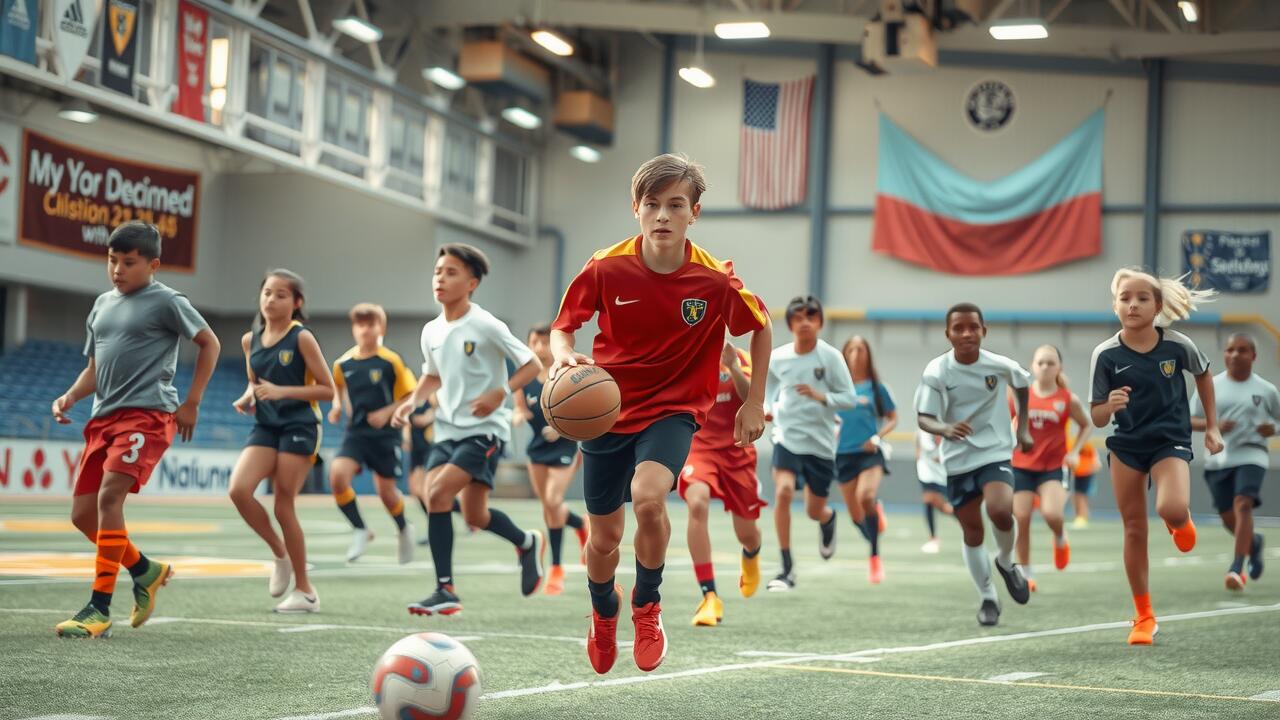
Role of Parents and Guardians
Parents and guardians play a crucial role in protecting their children’s rights, ensuring they understand the Legal Rights of Young Athletes Abused in Sports Programs in NY. They should actively engage with sport facilities and encourage their children to participate in safe sport organizations that prioritize a safe sports culture. Parents can advocate for their child's athletic eligibility by promoting awareness of athlete maltreatment and ensuring that sports clubs adhere to guidelines that foster a supportive environment. Many athletes benefit from having strong advocates who understand the importance of safety in sports.
Educating themselves about potential risks in sports programs allows parents and guardians to foster better sports cultures that discourage any form of abuse. They can participate in discussions with coaches and administrators about policies that enhance athlete protection. Parents should also encourage open communication with their children regarding their experiences and feelings in such sports. By being involved, they can help create a safe space for athletes, thereby reinforcing the Legal Rights of Young Athletes Abused in Sports Programs in NY and ensuring that their athletic experiences contribute positively to their development.
Educational Programs in Schools and Sports Organizations
Comprehensive educational programs in schools and sports organizations are crucial for fostering awareness about the Legal Rights of Young Athletes Abused in Sports Programs in NY. These programs educate coaches, athletes, and parents about legal obligations regarding safe sport issues, ensuring that all parties understand their rights within competitive sport environments. By outlining sexual abuse laws and human rights related to athletics, these initiatives help create a culture of respect and safety, particularly for vulnerable young athletes. The involvement of an athlete support team is vital to reinforce these principles, providing resources and guidance to navigate athletic contests responsibly.
Implementing strong educational initiatives within sports settings reinforces the importance of recognizing and addressing abuse. Training sessions for coaches and athletic association officials focus on safeguarding the well-being of young athletes while promoting their athletic identity. By prioritizing the rights and interests of young athletes, these programs not only enhance participation in sports but also create an environment where safety is paramount. As educational efforts evolve, they ensure that the Legal Rights of Young Athletes Abused in Sports Programs in NY are not only recognized but actively protected in all athletic engagements.
Conclusion
Understanding the Legal Rights of Young Athletes Abused in Sports Programs in NY is crucial for ensuring their protection and well-being. Victims of abuse, including emotional and physical forms, must be aware of their options and the avenues available for seeking justice. A sexual abuse lawyer can provide essential guidance in navigating the legal landscape, particularly when allegations arise involving major sports teams or during competitive events. Raising awareness about the Legal Rights of Young Athletes Abused in Sports Programs in NY fosters an environment where young athletes can feel safe and supported, ultimately enhancing their sporting experience.
FAQS
What constitutes abuse in sports programs for young athletes in New York?
Abuse in sports programs can include physical abuse, emotional and psychological abuse, neglect, and sexual abuse. Each type of abuse has specific definitions and implications under New York law.
What are the legal rights of young athletes who experience abuse in sports programs?
Young athletes have the right to a safe and supportive environment, the right to report abuse without fear of retaliation, and the right to seek legal representation and advocacy.
How can young athletes report incidents of abuse in sports programs in New York?
Young athletes can report abuse to coaches, school administrators, or relevant authorities. There are also established reporting mechanisms, such as the New York State Office of Children and Family Services, specifically for such incidents.
What should parents and guardians do if they suspect their child has been abused in a sports program?
Parents and guardians should encourage open communication with their child, document any concerns, and report the suspected abuse to the appropriate authorities or organizations overseeing the sports program.
What resources are available for young athletes who have experienced abuse in sports programs?
There are various resources available, including counseling services, legal advocacy groups, and support hotlines that specialize in assisting young athletes in navigating their rights and seeking justice.
How does the Safe Sport Authorization Act of 2017 help in protecting young athletes from exploitation in Olympic sports in New York, particularly regarding cases of sexual abuse?
The Safe Sport Authorization Act of 2017 plays a crucial role in protecting young victims from sexual abuse in youth sports. It mandates that all sports organizations, including those involved in Olympic sports, establish policies and procedures to handle cases of sexual abuse, ensuring victim's rights are prioritized. Additionally, the Act promotes a culture of safety and respect within sports communities, encouraging school athletes, student-athletes, and sport managers to create an environment where sexual exploitation is not tolerated. By implementing these regulations, there is a significant focus on psychosocial sports programs that advocate for safe participation and mitigate risks of athlete exploitation in various sports contests throughout New York.
What measures are in place in New York to support young athletes who have been sexually abused in sports programs?
In New York, various measures aim at protecting young victims from sexual abuse in youth sports, including the Safe Sport Authorization Act of 2017, which emphasizes the responsibility of sport administrators and organizations to provide a safe environment for student-athletes. This act aids in the prevention of profoundly damaging incidents of sexual abuse and ensures that sports participation is both safe and beneficial, promoting a positive athletic culture. Additionally, organizations like NYSPHSAA enforce sportsmanship rules that further protect athletes, promoting trust within sports leagues and fostering encouragement for safe sport practices.
What legal protections exist for young athletes in New York who have been sexually abused in youth sports programs?
In New York, legal protections for young athletes who are sexually abused in youth sports programs focus on protecting young victims from sexual abuse through various measures, including the Safe Sport Authorization Act of 2017. This act aims to create a safer environment for student-athletes by imposing stricter guidelines on organizations, ensuring that they have policies to address and prevent incidents of sexual abuse. Additionally, resources are provided to help those who have been sexually abused navigate the legal system and access support, affirming that protecting athletes' interests is a priority within the realm of sports competition.
What initiatives are in place in New York to enhance the protection of young athletes from sexual abuse in youth sports programs under the framework of the Safe Sport Authorization Act of 2017?
In New York, initiatives aimed at protecting young victims from sexual abuse include the implementation of the Safe Sport Authorization Act of 2017, which enhances federal oversight of youth sports, establishes reporting requirements, and promotes policies that protect athletes in various levels of competition. These efforts are crucial for ensuring that student-athletes are safeguarded within their sports environments, while also advancing the overall trust in sports leagues and encouraging a positive culture where athletic interests and the protection of young athletes are prioritized.
What are the additional resources available in New York for protecting young victims from sexual abuse in youth sports programs, and how do these relate to the Safe Sport Authorization Act of 2017?
In New York, additional resources for protecting young victims from sexual abuse include various support organizations and hotlines that provide guidance and assistance to student-athletes. The Safe Sport Authorization Act of 2017 complements these resources by establishing safety protocols in youth sports, encouraging safe sport cultures, and promoting athlete protection. The act aims to foster an environment where individual and team sports can thrive without the fear of abuse, in line with initiatives like the NYSPHSAA sportsmanship rule. Overall, these efforts collectively work towards enhancing the safety and wellbeing of athletes participating in both athletic purposes and competitive events.
What specific strategies can New York implement to improve the system for protecting young victims from sexual abuse in youth sports programs under the Safe Sport Authorization Act of 2017?
To enhance the protection of young victims from sexual abuse, New York can establish annual training programs for coaches and staff, promote awareness about the Safe Sport Authorization Act of 2017, and engage sports leagues to create policies that prioritize the safety of student-athletes. Furthermore, implementing strict reporting systems and promoting a culture that encourages athletes to speak out can significantly contribute to a safer environment in both individual and team sports. Organizations must focus on trust-building within sports cultures and address athlete cultures that may hinder reporting abuses in youth sports sex cases to promote a safer competitive atmosphere.
What role do sports leagues in New York play in protecting young victims from sexual abuse in youth sports programs, and how does this relate to the Safe Sport Authorization Act of 2017?
Sports leagues in New York have a critical responsibility in protecting young victims from sexual abuse, as they implement policies and training that align with the Safe Sport Authorization Act of 2017. This act not only mandates safe environments for student-athletes but also encourages sports leagues to actively promote safety measures within their organizational structures. By establishing clear protocols, offering education on the issue of abuse, and fostering a culture that prioritizes the well-being of all athletes participating in individual and team sports, these organizations help build an atmosphere of trust. Consequently, young athletes can compete in a secure environment, enhancing the overall integrity of sports competition in NY.
How can stakeholders in New York ensure sports programs effectively promote safe sport practices for protecting young victims from sexual abuse?
Stakeholders in New York, including sports leagues and educational institutions, can implement comprehensive training and policies that align with the Safe Sport Authorization Act of 2017 to create a safer environment for student-athletes. This includes fostering a culture where athletes feel supported and empowered to report misconduct, promoting awareness of the resources available for protecting young victims from sexual abuse, and ensuring proper management of individual and team sports to encourage safe competition. By prioritizing these strategies, New York can enhance the safety of sports programs and protect athletes from potential abuse.
What role do schools in New York play in protecting young victims from sexual abuse in sports programs under the Safe Sport Authorization Act of 2017?
Schools in New York play a crucial role in protecting young victims from sexual abuse by implementing policies that comply with the Safe Sport Authorization Act of 2017. These policies ensure that student-athletes engage in sports safely, and they promote a culture that disallows abuse in individual and team sports. Education programs are often established to raise awareness about the importance of protecting young victims from sexual abuse, and schools work alongside sports leagues to enforce these guidelines, ensuring the trust in sports leagues is maintained. Furthermore, initiatives are developed to manage risk in sports competition and encourage a positive sports culture, which is essential for the well-being of all young athletes.
What can be done to ensure that sports programs in New York effectively protect young victims from sexual abuse while promoting safe sport practices for student-athletes?
To ensure that sports programs in New York effectively protect young victims from sexual abuse while promoting safe sport practices for student-athletes, it is crucial to implement stringent guidelines that align with the Safe Sport Authorization Act of 2017. This includes fostering a culture within sports leagues that encourages accountability and transparency, along with providing training for coaches and volunteers on recognizing and preventing abuse. Additionally, integrating resources for athlete support can further enhance the protection of young athletes in both individual and team sports, making it a priority to safeguard their well-being across all levels of sport competition.