Key Takeaways
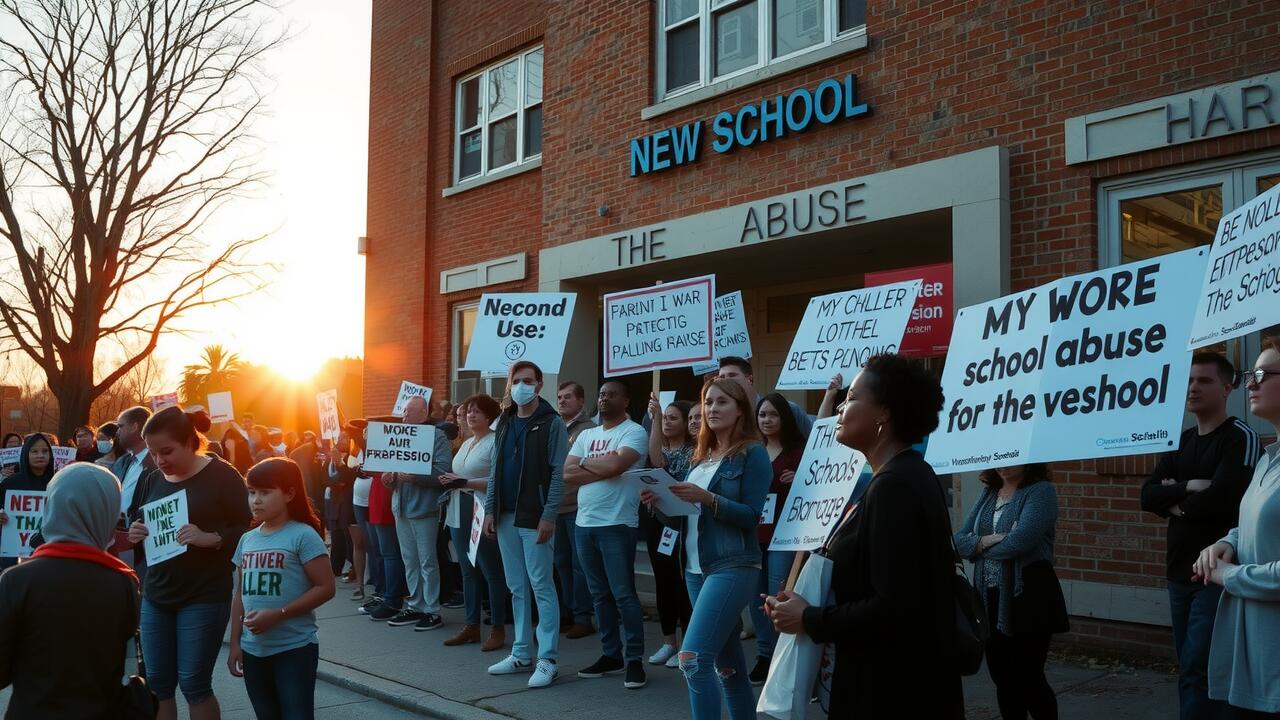
- Examining the extent of sexual misconduct in educational and sports organizations in New York
- The importance of educational institutions in safeguarding against sexual misconduct
- The duty of sports organizations to tackle sexual misconduct issues
- Legal structure related to the accountability of sexual misconduct
- Approaches to ensure organizations are held responsible for misconduct
- The role of community engagement in accountability initiatives
Holding Schools And Athletic Leagues Accountable For Sexual Abuse In NY | Understanding the Scope of Sexual Abuse in Schools and Athletic Leagues in NY
Understanding the extensive impact of sexual abuse in educational institutions and athletic leagues is crucial for Holding Schools and Athletic Leagues Accountable for Sexual Abuse in NY. Statistics reveal alarming trends, with numerous cases of sexual abuse reported, highlighting the vulnerability of young victims. The sexual abuse of minors has been thrust into the spotlight through high-profile incidents such as the USA Gymnastics sexual abuse scandal, which emphasized the urgent need for reform and protective measures. The Safe Sport Authorization Act of 2017 aims to prevent sexually abusive behavior in sports contexts, establishing frameworks for accountability. Reports, including the independent investigation into abusive behavior within the U.S. Soccer Federation, continue to shed light on the need for rigorous oversight and support systems to protect children from sexually abusive environments.
Holding Schools and Athletic Leagues Accountable for Sexual Abuse in NY | Statistics on Sexual Abuse Cases in New York
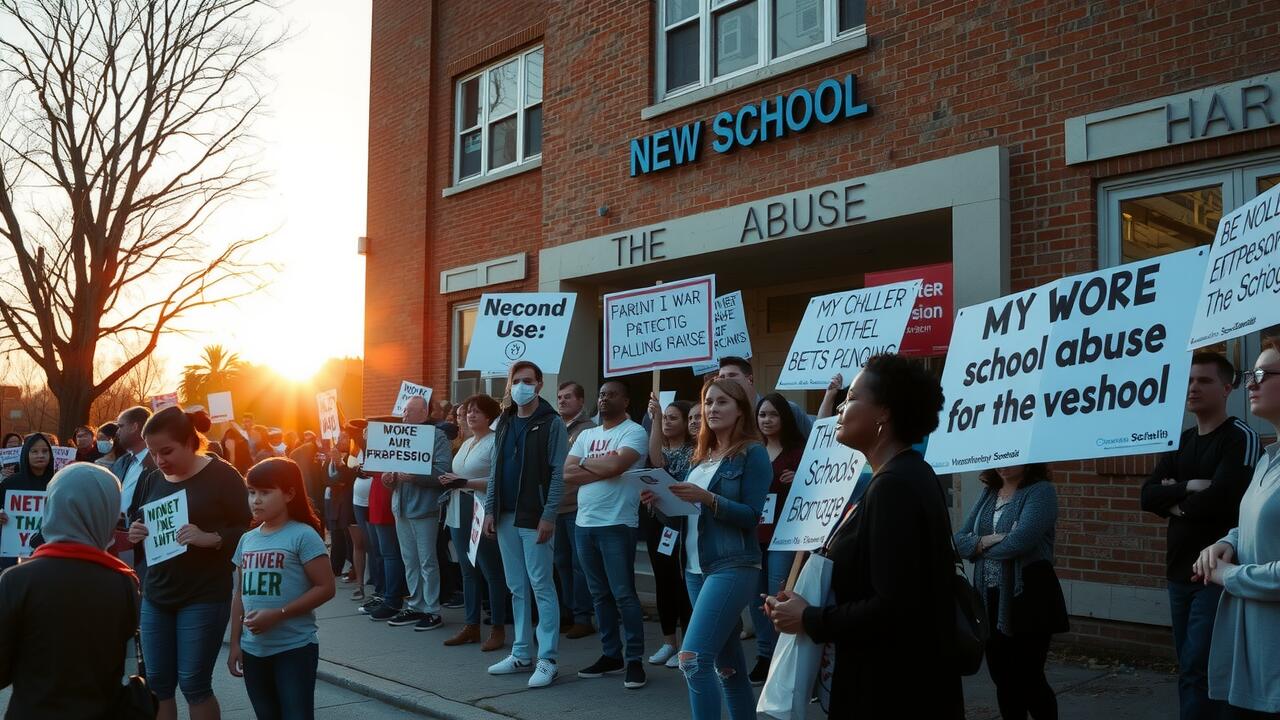
Statistics illustrate a troubling reality regarding sexual abuse in educational settings and athletic leagues in New York. Reports indicate a significant number of survivors of sexual abuse have come forward, revealing a pattern of childhood sexual abuse linked to institutions. Cases of sexual violence, including sexual assaults and incidents of sexual misconduct, highlight the urgent need for reform. Holding Schools and Athletic Leagues Accountable for Sexual Abuse in NY requires a comprehensive understanding of these statistics and the larger context of institutional abuse.
The prevalence of sexual offenses within these environments raises concerns about the safety and well-being of students. Many individuals have reported being sexually harassed or subjected to inappropriate sexual activities, pointing to a systemic issue that needs addressing. High-profile sexual abuse scandals have shaken public trust and brought attention to the need for accountability. It is essential for communities to advocate for measures that ensure the protection of young people while holding schools and athletic leagues responsible for any physical abuse or sexual misconduct that occurs.
Impact on Victims and Communities
The consequences of child sexual abuse extend far beyond the individual victims. Communities bear the burden of knowing that children were subjected to sexual harassment, sexual coercion, or sexual assault within institutions designed to protect them. Holding Schools and Athletic Leagues Accountable for Sexual Abuse in NY is crucial for restoring trust in these organizations. Victims may suffer from long-term psychological effects, complicating their ability to engage in everyday activities. A broader community response is necessary to create a safe environment for all children.
Victims often find themselves grappling with feelings of shame and isolation after an abuse incident. The stigma surrounding sexual abuse, including sex abuse scandals within schools and leagues, can deter individuals from coming forward. Survivors and their families can experience a ripple effect that disrupts relationships and community cohesion. It is vital for communities to unite in addressing these issues and advocate for policies that protect children from becoming victims of sex offenders. Holding Schools and Athletic Leagues Accountable for Sexual Abuse in NY means fostering an environment where open dialogue about these issues can flourish, ultimately aiding in prevention and support for affected individuals.
The Role of Schools in Preventing Sexual Abuse
Schools play a critical role in safeguarding students from the pervasive threat of sexual abuse. This responsibility extends to implementing strict policies for identifying and reporting any instances of abuse, including psychological and physical forms. Holding Schools and Athletic Leagues Accountable for Sexual Abuse in NY requires robust training for staff to recognize the signs of abuse on children and intervene effectively. Such training must encompass the consequences of sexual relations between adults and minors, including legal ramifications like sex offender registration for those found guilty of sexually abusing a minor. Ensuring a safe environment free from bullying and the potential for rape is paramount in youth sports and educational settings. By prioritizing these measures, schools can actively contribute to a culture that protects against the abuses that threaten the well-being of children.
Policies and Procedures for Reporting Abuse
Establishing robust policies and procedures for reporting abuse is essential in the effort of holding schools and athletic leagues accountable for sexual abuse in NY. Clear guidelines help to ensure that cases involving sexual abusers are addressed swiftly and effectively. Victims must feel empowered to come forward without fear of reprisal. This proactive approach not only aids in the immediate response to a sexual abuse case but also fosters an environment where abused players can be supported and protected while participating in activities like sport. Creating an abuse-free sport culture requires vigilance and commitment from all parties involved.
Training staff and students on these policies is crucial in effectively recognizing and responding to potential incidents of sexual abuse. Programs should be implemented that educate individuals on how to identify warning signs and understand the proper channels for reporting concerns. These initiatives can significantly reduce the likelihood of substance abuse among affected players and promote a safer atmosphere overall. Holding schools and athletic leagues accountable for sexual abuse in NY hinges on their commitment to transparency and adherence to established reporting mechanisms, ensuring that everyone involved understands their vital role in safeguarding young athletes.
Training and Education for Staff and Students
Training staff and educating students are crucial steps in Holding Schools and Athletic Leagues Accountable for Sexual Abuse in NY. Effective training programs should emphasize recognizing signs of sexual abuse, supporting sexual abuse victims, and understanding the implications of sexual harassment law. These initiatives are designed to empower both students and faculty to identify and report abusive behavior, ensuring that the voices of sexual abuse survivors are heard. By focusing on preventive measures, schools can significantly mitigate the risk of prevalent sex abuse incidents, particularly in youth sports leagues where power dynamics often leave young athletes vulnerable.
Creating a safe environment for students involves continuous education on topics related to sexual harassment prevention. Regular workshops for staff and students can foster open dialogue about issues surrounding youth sports sex and the tragic implications of sexual abuse tragedies. Schools must equip coaches and athletic staff with the necessary tools to hold abusers accountable effectively, thereby protecting the well-being of young athletes. A trained staff can act as a first line of defense, ensuring that everyone involved understands their role in preventing abuse and addressing the needs of sexual abuse victims.
Athletic Leagues' Responsibility in Addressing Sexual Abuse
Addressing sexual abuse within the context of athletic leagues necessitates a rigorous framework to ensure a safe environment for all participants. Many sports leagues must prioritize the establishment of clear guidelines and codes of conduct that explicitly outline unacceptable behaviors, including those involving predatory coaches. Youth sports leagues, particularly at the high school level, are critical settings where trust can be easily breached. Holding schools and athletic leagues accountable for sexual abuse in NY requires robust sexual harassment investigations and accountability measures. Collaboration with knowledgeable sex abuse attorneys can enhance the effectiveness of these strategies, enabling parents and guardians to trust sports leagues to foster a safe atmosphere. The emphasis on preventive education and transparent reporting mechanisms is vital to safeguarding participants in recreation leagues and maintaining a sexual level of integrity across all levels—youth leagues, high school sports, and beyond.
Existing Guidelines for Codes of Conduct
Clear codes of conduct are essential for holding schools and athletic leagues accountable for sexual abuse in NY. These guidelines must address various forms of misconduct, including sexual harassment cases that often arise in school-sponsored sports. Establishing sexual harassment policies ensures that every member of the institution understands the protocols for handling sexual harassment claims and the consequences for abusers. The painful legacy of incidents like the Penn State sex abuse scandal underscores the necessity for robust frameworks to prevent further abuse and protect vulnerable individuals.
Compliance with New York standards is crucial for effective implementation of these guidelines. Public schools and athletic leagues should adopt comprehensive training modules that incorporate these codes of conduct, ensuring both staff and students are aware of their responsibilities. By doing so, institutions create an atmosphere of accountability, making it difficult for abusers to escape scrutiny. Addressing sexual assault claims promptly and effectively not only serves justice but also reinforces a culture where victims feel supported in reporting incidents without fear of retribution.
Collaboration with Schools to Enhance Safety
Collaboration between schools and athletic organizations is crucial for effectively addressing systemic abuse within youth sports programs. Holding Schools and Athletic Leagues Accountable for Sexual Abuse in NY requires a unified approach where both institutions engage in open communication about possible abuse and the safety of sexual assault victims. The development of mechanisms that share information, such as soccer abuse reports, can help identify patterns and prevent incidents of sexual coercion by promoting a culture of vigilance and reporting.
Leagues must work alongside schools to create comprehensive training that educates staff and students about recognizing the signs of sexual misconduct. Athletic organizations play an integral role in ensuring that youth sports organizations are proactive in their policies. By establishing clear guidelines for prevention and response, the partnership between schools and leagues can foster an environment that prioritizes the protection of young athletes, ultimately reinforcing the accountability of all parties involved.
Legal Framework Surrounding Sexual Abuse Accountability
Establishing a solid legal framework is essential for Holding Schools and Athletic Leagues Accountable for Sexual Abuse in NY. This framework addresses the rampant abuse that has affected numerous victims, particularly in school environments and basketball leagues. Statistically, the prevalence of sexually abusive behavior by both staff and peers signifies a need for stringent policies. Abusive college staff have often exploited their positions, leading to mass abuse and numerous sexual assaults that require urgent intervention. Laws in New York aim not only to prosecute such abuse but also to set standards that assist in preventing future abuse. The focus remains on holding institutions accountable for their role in allowing this massive abuse to occur and ensuring that they are proactive in protecting vulnerable populations.
- Establish strict reporting requirements for incidents of sexual abuse in educational and athletic institutions.
- Implement mandatory training programs for staff and students to recognize and respond to signs of sexual abuse.
- Establish clear protocols for investigations and responses to allegations of abuse.
- Enforce severe penalties for institutions that fail to take appropriate action against reported cases.
- Promote transparency by requiring schools and leagues to publicly report incidents of sexual abuse and their resolutions.
- Support survivor resources, including counseling and legal assistance, to empower victims.
- Foster collaboration between schools, athletic leagues, law enforcement, and advocacy groups to enhance accountability measures.
New York State Laws on Sexual Abuse in Educational Settings
New York State has implemented a comprehensive legal framework aimed at Holding Schools and Athletic Leagues Accountable for Sexual Abuse in NY. This framework mandates that educational institutions and youth sports organizations, including clubs and athletic programs, develop strict policies for addressing abuse allegations. These regulations require schools and athletic associations to establish clear procedures for reporting and responding to abuse reports. Failed adherence to these laws can lead to significant penalties, emphasizing the responsibility of these entities to protect their students and members from sexual issues.
The legislation also promotes awareness around sexual topics, reinforcing the importance of educating students and staff on recognizing and addressing similar abuse. Youth sports organizations, in particular, are expected to incorporate this awareness into their training programs. By requiring that sports organizations remain vigilant and proactive, New York State aims to foster a safer environment within both schools and athletic leagues. This commitment to accountability reflects a broader societal shift in prioritizing the safety and well-being of youth involved in sports programs and related activities.
Recent Legal Cases and Implications for Schools and Leagues
Recent legal cases have highlighted the troubling trend of inappropriate relationships between youth sports coaches and student athletes, drawing significant attention to the need for Holding Schools and Athletic Leagues Accountable for Sexual Abuse in NY. Reports indicate that many schools have failed to implement effective safeguards against sexual advances, resulting in repetitive abuse within youth sports teams. The implications of these cases extend beyond individual incidents, as they prompt a reevaluation of New York laws and the accountability of athletic federations to protect vulnerable students.
The legal landscape surrounding sexual abuse in educational settings has evolved, placing increased scrutiny on schools and collegiate sports organizations. New York standards now demand stricter compliance with reporting mechanisms to prevent inappropriate situations from escalating. These recent legal challenges serve as a reminder for institutions to prioritize preventive measures and ensure that youth sports teams operate under a framework that protects students and fosters a safe environment. Holding Schools and Athletic Leagues Accountable for Sexual Abuse in NY remains essential for creating lasting change within the education and sports communities.
Strategies for Holding Institutions Accountable
Holding Schools and Athletic Leagues Accountable for Sexual Abuse in NY requires the implementation of clear strategies that focus on prevention and reporting. Establishing effective reporting mechanisms ensures that victims of abuse, including youth in sports teams, can come forward without fear of retribution. This is especially crucial in the wake of high-profile cases like the Sandusky sex abuse scandal, which highlighted the dangers posed by predatory adults and sexual harassers within institutions. New York law must support these mechanisms to protect youth from sexual predators, while fostering an environment where women experience abuse can be addressed openly. Transparency and open communication among all stakeholders, including parents and community members, will further reinforce the commitment to safeguarding children against such abuses. By prioritizing these strategies, schools and athletic leagues can better navigate the complexities of holding institutions accountable for any wrongdoing.
Developing Clear Reporting Mechanisms
Establishing clear reporting mechanisms is essential for Holding Schools and Athletic Leagues Accountable for Sexual Abuse in NY. Utilizing safety protocols, such as those outlined in the Safe Sport Act, can help prevent inappropriate activity in youth sports settings. By creating accessible channels for abuse survivors to report incidents, schools and leagues demonstrate their commitment to addressing misconduct in recreation-level sports. These mechanisms must ensure that any reports are taken seriously and lead to appropriate disciplinary action against abusers, thus fostering an environment where athletic performance is prioritized alongside the safety and wellbeing of all participants.
Training staff and athletes on how to report abuse can enhance the effectiveness of these mechanisms. Initiatives may include youth sports notes that educate participants about recognizing and reporting inappropriate activity. Collaborations with the Safe Sport Organization can further support schools and leagues in developing their policies. By making it clear that reporting abuse is not only encouraged but protected, institutions help to create a culture of accountability. This culture is vital for prosecuting abusers and ensuring that youth sports remain a safe environment for all involved.
Encouraging Transparency and Open Communication
Transparency is crucial in the realm of youth sports, especially when addressing the issue of sexual abuse. Holding Schools and Athletic Leagues Accountable for Sexual Abuse in NY requires a commitment to open communication between all stakeholders, including parents, coaches, and league personnel. A culture that fosters dialogue can help unearth cases of harassing behavior that might otherwise go unreported. For example, female basketball players and athletes in swimming-affiliated clubs should feel safe to voice their concerns without fear of retaliation. A transparent environment allows for the identification and elimination of horrifying abuse and protects all participants.
Establishing clear channels for reporting and discussing incidents of misconduct is vital. Athletic organizations, including professional sports associations, must prioritize the safety of their members over any potential backlash. This includes creating policies that address sexual wrongdoings and implementing training that promotes awareness of sex-based hostile work environments. By prioritizing communication and transparency, schools and leagues can work together effectively, ensuring that accountability measures are in place to safeguard athletes and uphold integrity in youth sports.
- Establish anonymous reporting systems for athletes to voice concerns.
- Implement regular training sessions for coaches and staff on recognizing and preventing abuse.
- Create open forums for parents and athletes to discuss safety issues within teams.
- Develop clear guidelines on the consequences of misconduct for athletes and coaches.
- Encourage collaboration between schools, parents, and local organizations to foster a supportive environment.
- Regularly review and update policies to reflect best practices in athlete safety and well-being.
- Promote awareness campaigns to educate the community about the importance of transparency in sports.
Community Involvement in Accountability Measures
Community involvement plays a crucial role in Holding Schools and Athletic Leagues Accountable for Sexual Abuse in NY. Parents, local organizations, and community leaders must actively engage in the oversight of collegiate programs and sports teams to ensure a safe environment for young players. This vigilance becomes increasingly important in addressing the consequences of a sexist upbringing that can permeate team dynamics and sports culture. By promoting transparency and open dialogues about misconduct, communities can create supportive spaces for women players, who often face undue pressure regarding their sport identity and may encounter expectations for sexual favors. School staff must collaborate with these groups to ensure that reporting mechanisms are clear and accessible, enhancing the safety and integrity of all involved, particularly during school transfers and participation in team sports. A collective effort fosters an environment where sports thrive without the shadow of abuse.
Conclusion
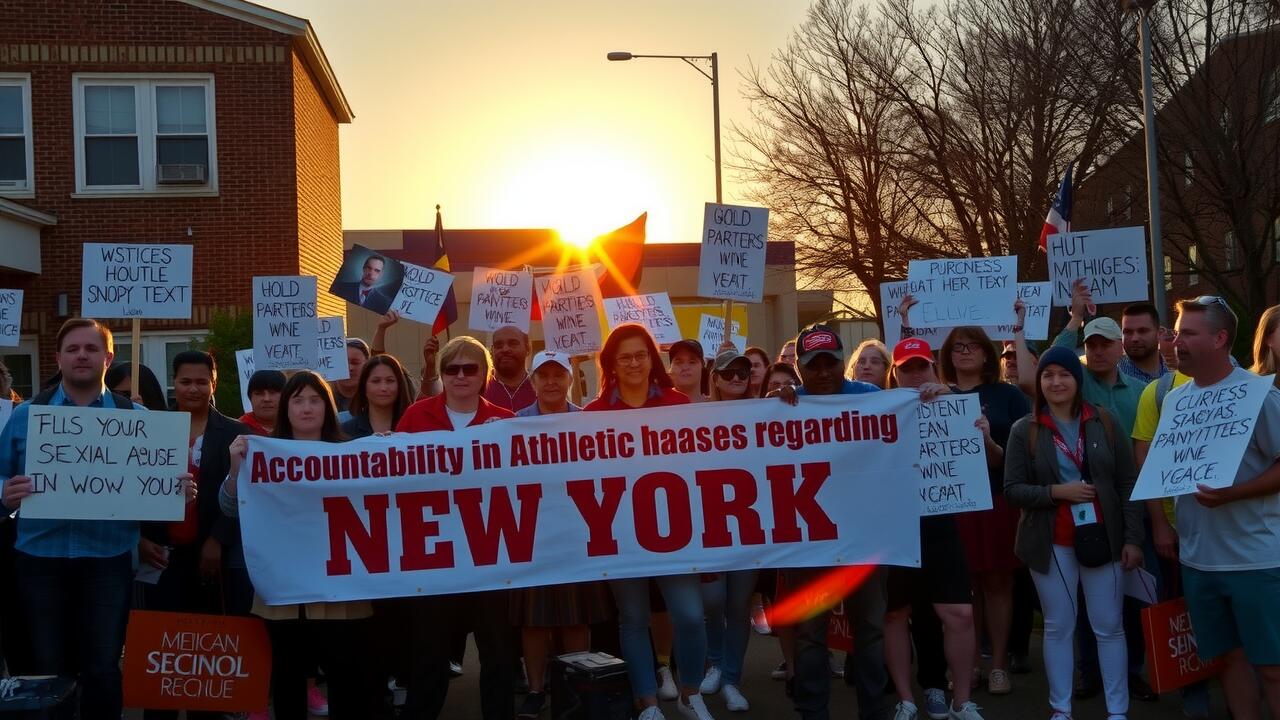
Holding Schools and Athletic Leagues Accountable for Sexual Abuse in NY is crucial for safeguarding young athletes. Data indicates that incidents of sexual molestation and inappropriate touching can occur across various environments, from elementary schools to common sports teams. The prevalence of such abuse travesties highlights the urgent need for effective measures to address these issues. Professional sports teams should also be held to high standards, ensuring that athletes are protected and supported. By prioritizing accountability, communities can promote a safer environment for all involved in sports and ultimately foster a culture where abuse is not tolerated.
FAQS
What are the main responsibilities of schools in preventing sexual abuse?
Schools are responsible for implementing policies and procedures aimed at preventing sexual abuse, providing training for staff and students, and creating a safe environment where victims feel comfortable reporting incidents.
How can athletic leagues contribute to preventing sexual abuse?
Athletic leagues can implement strict codes of conduct, provide training for coaches and staff, and collaborate with schools to ensure a safe environment for all participants, while actively addressing any allegations of abuse.
What legal protections exist for victims of sexual abuse in schools and athletic leagues in New York?
New York State laws provide protections against sexual abuse in educational settings, allowing victims to report incidents without fear of retaliation, and offering legal avenues for holding institutions accountable for negligence.
How can communities get involved in accountability measures regarding sexual abuse?
Communities can participate by advocating for transparency in reporting mechanisms, supporting policy changes, attending school board meetings, and collaborating with local organizations focused on preventing sexual abuse.
What are some effective strategies for holding schools and athletic leagues accountable for sexual abuse?
Effective strategies include developing clear reporting mechanisms for victims, encouraging transparency and open communication, implementing regular training and education programs, and promoting community involvement in safety initiatives.
How are athletic leagues in NYC held accountable for ensuring player safety and preventing sexual abuse in youth sports?
Athletic leagues in NYC are focused on protecting young victims from sexual abuse through initiatives like the Safe Sport Authorization Act of 2017. This act aims to promote the safety of children involved in sports by holding those who sexually abuse or exploit them accountable. When sexual harassment or abuse cases arise, such as those detailed in the report of the independent investigation to the U.S. Soccer Federation concerning allegations of abusive behavior, it is critical that member clubs and colleges work together to effectively prosecute abusers. Ensuring children feel safe while participating in sports is paramount, as the risk of abuse, including psychological and sexual coercion, unfortunately exists in youth leagues and clubs.
What measures are in place in New York to hold schools and athletic leagues accountable for the sexual abuse of children and ensuring the safety of young athletes?
In New York, the Safe Sport Authorization Act of 2017 is a key legislation aimed at protecting young victims from sexual abuse in youth sports. It mandates that organizations, including schools and athletic leagues, implement policies focused on preventing sexual abuse cases and ensuring proper reporting of incidents. Additionally, training programs for coaches and staff are necessary to identify and respond to signs of sexually abusive behaviors, thereby promoting a safe sport environment. Educating these organizations on the legal consequences, such as the requirement for abusers to register as a sex offender, helps to create a culture of accountability. Through these measures, efforts are made to tackle issues like sexual coercion and harassment, safeguarding young athletes from potential harm.
What steps can be taken to ensure that youth clubs in New York are effective in protecting young victims from sexual abuse and comply with the Safe Sport Authorization Act of 2017?
To ensure that youth clubs actively participate in protecting young victims from sexual abuse, it is essential for them to implement comprehensive training programs for staff and volunteers focused on recognizing and preventing sexual abuse of children. Moreover, establishing clear reporting procedures for incidents of sexual harassment in the workplace, along with strict codes of conduct for all personnel, can help create a safer environment. This includes holding abusive coaches accountable for any sexually abusive behavior and fostering an atmosphere where children feel safe reporting any acts of sexual coercion or abuse. Additionally, collaboration with sexual abuse attorneys to understand legal obligations under the Safe Sport Authorization Act of 2017 can enhance awareness and compliance, ultimately leading to the development of programs that prioritize the safety of young athletes in youth leagues.
What are the implications for Seattle public schools when it comes to protecting young victims from sexual abuse and ensuring compliance with the Safe Sport Authorization Act of 2017?
Seattle public schools have a critical responsibility in protecting young victims from sexual abuse and complying with the Safe Sport Authorization Act of 2017. This act outlines necessary measures to hold organizations accountable for sexual abuse, including procedures to report incidents of sexual coercion or psychologically abusive behavior. Schools must ensure they are vigilant against sexually harassing behaviors, implement effective safety protocols, and engage with sexual abuse lawyers to support victims and prevent further incidents. The safety of athletes, especially in youth leagues, is paramount, as the tragic consequences of sexual abuse can have lasting effects on young people and must be addressed with utmost seriousness to foster an environment where sports thrives free from violence and abuse.
How can communities ensure that athletic leagues and schools are effective in preventing sexual abuse and are held accountable for the protection of young athletes?
Communities can take several steps to ensure that athletic leagues and schools are focused on protecting young victims from sexual abuse and complying with the Safe Sport Authorization Act of 2017. This includes establishing strict reporting protocols for cases of sexual assault, providing education and training on recognizing and preventing sexual abuse, and implementing clear consequences for violators. It is essential for leagues to work closely with local authorities and organizations to promote awareness about the signs of sexual abuse, ensuring that abusers are held accountable for their actions. Continuous monitoring and support for affected individuals will also play a crucial role in addressing the tragedy of sexual abuse occurrences in youth sports.
What training or policies are being implemented in New York schools and athletic leagues to address the issue of sexual abuse and ensure the safety of young athletes?
To effectively address the issue of protecting young victims from sexual abuse and comply with the Safe Sport Authorization Act of 2017, schools and athletic leagues in New York are implementing comprehensive training programs that include identifying signs of sexual abuse, enforcing strict codes of conduct, and creating safe environments for athletes. These measures aim to hold abusers accountable and prevent incidents of sexual coercion, sexual assaults, and psychological abuse within youth leagues, ensuring that the tragic consequences of sexual activity and favors are significantly reduced in sports contexts.
What actions can be taken to make athletic leagues accountable for protecting young victims from sexual abuse and ensuring compliance with the Safe Sport Authorization Act of 2017?
To hold athletic leagues accountable for protecting young victims from sexual abuse, it is crucial to implement comprehensive training programs aimed at identifying and addressing issues related to sexual abuse, including making abusers accountable, providing resources for victims, and ensuring that all staff are educated on recognizing the signs of sexual coercion. Additionally, leagues should develop strict policies that outline consequences for sexually abusing participants, as well as establish clear procedures for reporting incidents of sexual assaults to prevent any abuse travesty in sports. Compliance with the Safe Sport Authorization Act of 2017 is essential for creating a safer environment in youth leagues and preventing such tragedies.
What legal actions can be taken to hold athletic leagues accountable for sexual abuse incidents involving young athletes, and how does this relate to the Safe Sport Authorization Act of 2017?
Legal actions against athletic leagues for protecting young victims from sexual abuse and ensuring compliance with the Safe Sport Authorization Act of 2017 often involve lawsuits that seek to make the abuser accountable. Sexual abuse tragedies in youth sports can include various forms of abuse such as sexual coercion and sexual favors. It's crucial for leagues to implement strict policies to prevent sexual assaults and to identify the signs of sexual abuse, helping ensure player safety at all levels—youth leagues in particular.
How can parents ensure that youth leagues in New York are effectively protecting young victims from sexual abuse and remain compliant with the Safe Sport Authorization Act of 2017?
Parents play a crucial role in advocating for their children's safety by actively participating in youth leagues and ensuring that these organizations have strict policies in place regarding sexual abuse, including measures to identify and address incidents of sexual coercion and sporting occurrences that might lead to the sexual abuse tragedy. Understanding how leagues operate—especially in terms of player safety—can help parents push for necessary changes and improvements to better protect young athletes from sexual abuse and/or any form of sexually abused scenarios. Parents can also seek out leagues that prioritize the Safe Sport Authorization Act of 2017 in their training and operational policies, thereby ensuring a safer environment for all participating young victims at different levels, such as youth leagues.
What potential consequences can athletic leagues face if they fail to protect young victims from sexual abuse, particularly in relation to the Safe Sport Authorization Act of 2017?
Athletic leagues that do not prioritize protecting young victims from sexual abuse and fail to comply with the Safe Sport Authorization Act of 2017 may face severe consequences, including legal actions. If sexually abuses are reported and mishandled, leagues can be held liable for neglecting their duty to ensure player safety. Additionally, failure to address issues such as sexual coercion and sexual assaults within these environments can result in increased scrutiny and regulation from governing bodies, ultimately affecting the credibility and operational viability of violent leagues. It is crucial for leagues to implement effective policies for identifying and addressing sexual abuse, ensuring that young athletes are safe from harm.